


Understanding Liquid Fuel Standards: Boosting Safety, Quality, and Sustainability in the Petroleum Industry
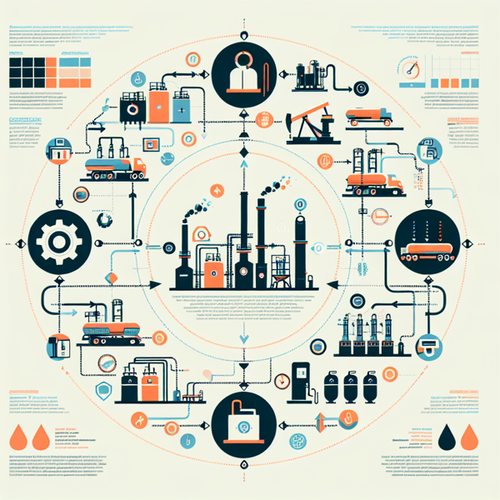
Ensuring the safety, quality, and environmental compliance of liquid fuels is more crucial than ever for businesses active in the petroleum sector and beyond. With the evolving global landscape, liquid fuel standards have become essential pillars for quality control, risk mitigation, and innovation. This guide navigates four critical standards—ISO 6729:2024, ISO 8217:2024, SIST EN 12662-1:2024, and SIST-TP CEN/TR 16389:2017—that shape the production, testing, and distribution of gasoline, marine fuels, diesel, and their advanced alternatives. Whether you’re a fuel producer, a laboratory analyst, or part of a supply chain, understanding and applying these international standards ensures business continuity, regulatory alignment, and market trust.
Overview / Introduction
Liquid fuels remain the lifeblood of global transportation, shipping, and industrial activity. Amid rapid shifts toward sustainability and operational efficiency, adherence to internationally recognized standards defines an organization’s ability to meet market demand, satisfy regulations, and maintain product integrity. Effective standardization is the backbone for:
- Ensuring product consistency and safety
- Facilitating international trade of fuels
- Supporting innovation in cleaner, alternative fuels
- Reducing risks related to contamination, non-compliance, or supply chain disruptions
In this guide, we break down four cornerstone standards shaping today’s fuel sector, focusing on their scope, requirements, and the business benefits of compliance. Whether you seek to optimize productivity, safeguard against contamination, or future-proof your fuel offerings, these standards provide a clear path forward.
Detailed Standards Coverage
ISO 6729:2024 – Precision in Ethanol Determination for Gasoline Blends
Petroleum products and other liquids — Standard test method for ethanol determination in gasoline blends by gas chromatography
The adoption of bio-based components in fuel is accelerating, with ethanol-blended gasoline becoming more prevalent for environmental and regulatory reasons. ISO 6729:2024 offers a precise methodology for quantifying ethanol content in gasoline blends using gas chromatography (GC), a gold-standard laboratory technique.
What Does This Standard Cover?
This ISO standard specifies procedures and requirements for determining ethanol content between 1.02% and 52.3% (by volume) in gasoline blends, ensuring accurate fuel labelling and compliance with market and legal mandates. By utilizing gas chromatography paired with flame ionization detection and advanced calibration protocols, laboratories can detect and report ethanol concentrations reliably.
Who Needs to Comply?
- Fuel producers and refiners
- Analytical laboratories
- Regulatory agencies
- Distribution and blending facilities
- Environmental compliance teams
Key Features and Implications:
- Defines apparatus specifications: GC requirements, column dimensions, detector types
- Emphasizes calibration with external standards for result accuracy
- Details operational procedures for sample handling and preparation
- Sets requirements for reporting repeatability and reproducibility
- Ensures analytical integrity across borders, boosting global market access
Key highlights:
- Wide applicability: ethanol content detection from 1.02% to 52.3% vol.
- Robust analytical accuracy via gas chromatography principles
- Supports regulatory mandates for renewable fuel blends
Access the full standard:View ISO 6729:2024 on iTeh Standards
ISO 8217:2024 – Comprehensive Specifications for Marine Fuels
Products from petroleum, synthetic and renewable sources — Fuels (class F) — Specifications of marine fuels
Marine shipping is under increasing scrutiny for emissions and fuel quality. ISO 8217:2024 acts as the industry benchmark, detailing specifications and test methods for marine diesel engines and boilers. Covering both classic petroleum distillates and advanced synthetic/renewable fuel blends, this standard is vital for ship operators, fuel suppliers, and ports.
Standard Scope and Application
ISO 8217:2024 defines:
- Seven classes of distillate marine fuels (with special categories for emergencies)
- Four categories of low-sulfur residual fuels (≤0.50% sulfur by mass)
- Additional categories for blends containing fatty acid methyl esters (FAME)
- Requirements for fuels used in stationary engines similar to those on marine vessels
Major Requirements and Specifications:
- Precision test methods for density, sulfur, flash point, hydrogen sulfide, acid number, oxidation stability, sediment, and more
- Guidance on allowable bio-content, including up to 100% FAME or paraffinic diesel
- Distinctions and flexibility for procurement contracts, tailored to supply location and emission mandates (including MARPOL and SOLAS compliance)
- Incorporation of switching trends toward synthetic and renewable marine fuels
Key Industrial Implications:
Adoption of ISO 8217:2024 ensures that:
- Fuels meet global and regional emissions mandates
- Diesel and residual fuel blends remain compatible with engine warranties
- Ship operations maintain safety standards, mitigating risk and unplanned downtime
Key highlights:
- Unified requirements for conventional, synthetic, and renewable marine fuels
- Enhanced environmental and safety focus (low sulfur compliance)
- Facilitates flexible purchasing and risk management for ship operators
Access the full standard:View ISO 8217:2024 on iTeh Standards
SIST EN 12662-1:2024 – Contamination Control in Diesel and Middle Distillates
Liquid petroleum products - Determination of total contamination - Part 1: Middle distillates and diesel fuels
Particulate contamination in fuels can cause costly equipment failures, increase emissions, and impede performance. SIST EN 12662-1:2024 provides a standardized method to quantify undissolved contaminants—critical for quality assurance in diesel and middle distillate fuels, especially those with varying percentages of fatty acid methyl esters (FAME).
What’s In the Standard?
- Defines a gravimetric method for assessing particulate contamination (12–26 mg/kg working range)
- Applies to diesel fuels with up to 30% FAME, as well as paraffinic/blended fuels (with caveats on precision outside the core range)
- Specifies cleaning procedures, apparatus (including specific filters), and calculation methods to ensure accuracy and reproducibility
Who Should Use This?
- Refineries and fuel producers
- Testing and QA labs
- Distributors and storage operators
- Fleet and equipment managers
Implementation Benefits:
- Control of contamination helps prevent engine filter clogging and extends hardware life
- Ensures compliance with increasingly strict quality norms, especially for high-performance diesel and alternative blends
- Supports sustainable fuel transition by verifying cleanliness in FAME and paraffinic blends
Key highlights:
- Provides actionable laboratory protocol for detecting particulate contaminants
- Essential for modern diesel with renewable content
- Reduces the risk of engine failures and maintenance costs
Access the full standard:View SIST EN 12662-1:2024 on iTeh Standards
SIST-TP CEN/TR 16389:2017 – Paraffinic Diesel and FAME: Requirements Demystified
Automotive fuels - Paraffinic diesel fuel and blends with FAME - Background to the parameters required and their respective limits and determination
As the petroleum industry pivots toward lower-carbon solutions, paraffinic diesels (from synthesis/hydrotreatment) and FAME blends are at the technology forefront. SIST-TP CEN/TR 16389:2017 offers vital background, technical rationales, and detailed guidance for paraffinic automotive diesel—crucial for producers, marketers, and users transitioning to advanced fuel types in line with European standards.
What’s Unique About This Standard?
- Explains the underlying parameters, test methods, and limits mandated by EN 15940 (the reference for paraffinic diesel)
- Addresses blends containing up to 7% FAME
- Provides clarity on matters such as density, viscosity, aromatics content, oxidation stability, and cold climate operability
- Advises on calibration and compatibility checks required for effective emissions reduction
- Highlights vehicle and engine warranty considerations in using paraffinic diesel
Industry Relevance:
- Supports policy-driven moves toward renewable, non-crude fuels
- Assists in blending operations to meet both performance and regulatory demands
- Encourages dialogue between producers and vehicle manufacturers for safe and effective fuel adoption
Key highlights:
- Extensive background and justifications for paraffinic diesel specifications
- Clear operational guidelines for achieving compliance with EN 15940
- Focus on emissions reduction and support for renewable energy mandates
Access the full standard:View SIST-TP CEN/TR 16389:2017 on iTeh Standards
Industry Impact & Compliance
Why Compliance is Critical
With increasing complexity in fuel formulations and regulatory requirements, liquid fuel standards are no longer optional—they’re a strategic necessity. Here’s why:
- Productivity: Aligning operations with these standards eliminates uncertainties, reduces process variances, and supports consistent high-quality output. This builds trust with customers and supply chain partners, reducing the time and resources spent on rework or dispute resolution.
- Security: Standards-driven protocols mitigate contamination, product mislabelling, and operational risks (e.g., engine or environmental damage). Adhering to recognized standard methods supports robust quality control and risk management systems.
- Business Scaling: Unified standards make it easier to enter new markets or expand fuel portfolios. Harmonized specifications lower the barriers to cross-border trade and facilitate successful integration of new, renewable, or blended products.
- Legal & Regulatory Compliance: Non-compliance can result in costly fines, shipment rejections, or reputational risk. These standards ensure preparedness for domestic and international inspections.
- Sustainability: For organizations pursuing lower-carbon fuel strategies, adherence to standards around renewable content and emissions is essential for both environmental reporting and meeting legislative targets.
Risks of Non-Compliance
- Increased operational downtime and equipment damage
- Regulatory fines or market exclusion
- Higher litigation or recall costs
- Loss of customer and partner confidence
- Difficulty meeting sustainability targets and future-proofing the business
Implementation Guidance
Steps to Adopt These Liquid Fuel Standards
- Familiarize with the Latest Versions: Regularly review updates via trusted platforms such as iTeh Standards. Map out which parts of your operations are affected.
- Gap Analysis: Conduct an internal audit to compare current practices with standard requirements. Identify areas needing process upgrades or new equipment.
- Staff Training & Competency Development: Invest in training programs for laboratory staff, engineers, operators, and compliance managers.
- Update Operational Protocols: Revise laboratory methods, procurement criteria, and quality checks to match standard specifications.
- Integrate Across Supply Chain: Collaborate with suppliers, distributors, and clients to ensure shared understanding and compliance with mutually relevant standards.
- Monitor & Continuous Improvement: Set up regular internal reviews, external benchmarking, and calibration of equipment to maintain compliance as standards evolve.
Best Practices
- Use only calibrated, standards-compliant analytical instruments
- Establish documented, repeatable protocols for sampling, analysis, and reporting
- Foster a compliance culture that values accuracy and proactive risk management
- Leverage third-party audits and external certification to validate adherence
- Stay informed on updates by subscribing to professional networks and standardization bodies
Resources for Organizations
- Access standard documents via trusted repositories like iTeh Standards
- Utilize training programs offered by industry associations and technical societies
- Reach out to standardization bodies for clarification or technical assistance
- Engage with professional forums for best practice sharing
Conclusion / Next Steps
Navigating the evolving world of liquid fuel standards is essential for the competitive, responsible, and sustainable operation of any business in the petroleum sector. By understanding and implementing standards such as ISO 6729:2024, ISO 8217:2024, SIST EN 12662-1:2024, and SIST-TP CEN/TR 16389:2017, companies not only unlock opportunities for growth and risk reduction but also contribute to a safer, greener, and more efficient energy ecosystem.
Key takeaways:
- Standards offer clear, actionable guidelines for product integrity and operational excellence
- Regular compliance reviews and process improvements are crucial
- Investing in competency and collaboration ensures business resilience
Ready to take your fuel quality and compliance to the next level?
Start by exploring each full standard via the iTeh Standards catalog and connect with professional partners to keep your business ahead. Stay proactive, and transform compliance from a challenge into a strategic advantage.
https://standards.iteh.ai/catalog/standards/iso/4fa5f051-a5cb-4c5e-af36-165970fc0c7e/iso-6729-2024https://standards.iteh.ai/catalog/standards/iso/0cc30b30-75d5-4b89-b203-843dec92a82c/iso-8217-2024https://standards.iteh.ai/catalog/standards/sist/38caf1b3-62b0-4652-996a-b3811ec51d2d/sist-en-12662-1-2024https://standards.iteh.ai/catalog/standards/sist/57c3934f-a6c0-4737-81e6-c361bd9eb1e2/sist-tp-cen-tr-16389-2017
Categories
- Latest News
- New Arrivals
- Generalities
- Services and Management
- Natural Sciences
- Health Care
- Environment
- Metrology and Measurement
- Testing
- Mechanical Systems
- Fluid Systems
- Manufacturing
- Energy and Heat
- Electrical Engineering
- Electronics
- Telecommunications
- Information Technology
- Image Technology
- Precision Mechanics
- Road Vehicles
- Railway Engineering
- Shipbuilding
- Aircraft and Space
- Materials Handling
- Packaging
- Textile and Leather
- Clothing
- Agriculture
- Food technology
- Chemical Technology
- Mining and Minerals
- Petroleum
- Metallurgy
- Wood technology
- Glass and Ceramics
- Rubber and Plastics
- Paper Technology
- Paint Industries
- Construction
- Civil Engineering
- Military Engineering
- Entertainment