

October 2026: New Developments in Electrical Engineering Standards – Part 2
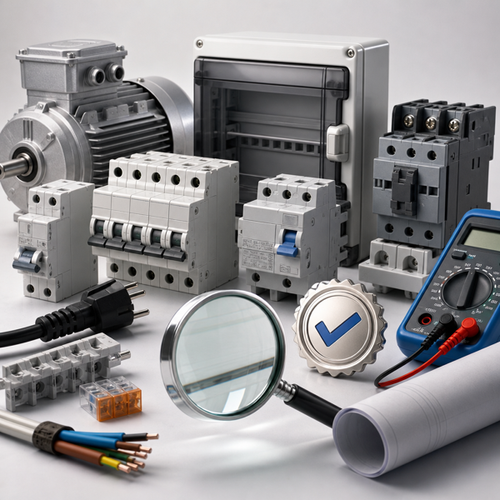
October 2026: New Developments in Electrical Engineering Standards – Part 2
In October 2026, the electrical engineering community welcomes the release of several important standards that push the boundaries of safety, reliability, and innovation. This update—Part 2 of our comprehensive three-part series—covers five newly published standards that shape best practices in winding wire testing, explosive atmosphere protection, distributed energy resource integration, hazardous dust area classification, and battery safety. These developments hold vital implications for engineers, quality managers, procurement teams, compliance officers, and researchers seeking the latest in electrical engineering requirements and guidelines.
Overview
Electrical engineering stands as a cornerstone for modern technology, powering critical infrastructure, communications, manufacturing, and consumer products. As the sector evolves with new materials, renewable integration, automation, and safety concerns, international standards provide indispensable foundations for safe, reliable, and interoperable products and systems.
This article offers:
- An in-depth review of five major standards published in October 2026
- Context on their industry significance and application
- Key requirements, use cases, and technical insights
- Compliance timelines and practical adoption advice
- Direct links to source documents for further exploration
Let’s explore what these standards mean for your workforce, operations, and innovation.
Detailed Standards Coverage
EN IEC 60851-5:2026 – Winding Wires: Electrical Properties Test Methods
Winding wires – Test methods – Part 5: Electrical properties
This standard establishes uniform testing methodologies for the electrical properties of winding wires, a crucial component in transformers, motors, generators, and electronic coils. As part of the IEC 60851 series, Part 5 focuses on electrical resistance, breakdown voltage, continuity of insulation, dielectric dissipation factor, and pinhole testing. These methods underpin not only product development and quality assurance but also ensure regulatory compliance and global trade compatibility.
Core Requirements and Scope:
- Methods for measuring electrical resistance of diverse wire types (enamelled, fibre-wound, rectangular, etc.)
- Breakdown voltage tests under varying temperature regimes
- Insulation continuity testing at low and high voltage
- Dielectric dissipation factor assessment to characterize insulation performance
- Pinhole testing for detecting insulation breaches
Who Should Comply?
- Wire manufacturers
- Motor/transformer OEMs
- Testing laboratories
- Quality control and compliance teams
Notable Changes in 2026 Edition:
- Expanded conductor size range for dielectric breakdown tests
- Inline continuity testing for rectangular wire
- Updated tables for loads, voltages, and testing apparatus
Practical Impact:
Effective use of EN IEC 60851-5:2026 drives higher confidence in winding wire integrity, reducing field failure risk and supporting compliance with international procurement and safety norms.
Key highlights:
- Comprehensive electrical property test coverage for winding wires
- Enhanced specimen preparation and voltage regimes
- Supports certification for modern, high-efficiency wire designs
Access the full standard:View EN IEC 60851-5:2026 on iTeh Standards
IEC 60079-1:2026 – Flameproof Enclosures for Explosive Atmospheres
Explosive atmospheres – Part 1: Equipment protection by flameproof enclosures "d"
Revised for 2026, IEC 60079-1 provides comprehensive specifications for the construction and testing of flameproof enclosures (“Type 'd'”) used in areas where explosive gas atmospheres may occur. This update reflects the latest engineering best practices to safeguard operations in sectors such as oil & gas, chemicals, mining, and pharmaceuticals.
Scope and Key Requirements:
- Defines design, construction, and verification for Ex Equipment and Ex Components utilizing flameproof enclosure protection
- Supplements and in some areas overrides IEC 60079-0’s general requirements
- Addresses flameproof joints, materials selection, entries, gaskets, fasteners, and testing procedures
- Details routine and type testing, including pressure resistance and ignition containment
Who Needs to Comply?
- Manufacturers and integrators of explosion-protected electrical equipment
- Engineering and safety managers in hazardous environments
- Inspectors and certification bodies
Notable Changes (Edition 8.0):
- Harmonization with updated international safety concepts
- Expanded requirements for different protection levels ("da", "db", "dc")
- Additional interpretation sheets now available for clarity
Practical Implications:
Adhering to IEC 60079-1:2026 enables organizations to certify equipment for global hazardous area deployment, reducing accident risk and maintaining regulatory approval.
Key highlights:
- Updated flameproof joint and material requirements
- Enhanced testing and certification regimes
- Clearer guidance on multiple levels of equipment protection
Access the full standard:View IEC 60079-1:2026 on iTeh Standards
IEC TR 62786-101:2026 – Grid Connection for Gravity Energy Storage Systems (GESS)
Distributed energy resources connection with the grid – Part 101: Gravity storage connection to the grid
As distributed energy resources evolve, grid integration poses new technical challenges—particularly for innovative gravity energy storage systems (GESS). This technical report delivers vital guidance on planning, connecting, and operating solid mass-based gravity storage within distribution networks.
Major Features and Coverage:
- Explains principles, technical characteristics, and working modes of solid-media GESS
- Covers vertical (tower/matrix/shaft) and slope (rail, suspension, cable) configurations
- Details interface arrangements, grid-connection methods, and operational characteristics
- Describes testing for active and reactive power response, frequency/voltage regulation, EMC, and system protection
Who Should Use This Standard?
- Developers and operators of energy storage projects
- Distribution network operators and planners
- Renewable energy integrators
- System designers and consultants
Practical Significance:
Implementing recommendations in IEC TR 62786-101:2026 ensures stable, responsive integration of GESS, supporting energy transition goals while maintaining network security.
Key highlights:
- Detailed connection and control requirements for GESS
- Grid compatibility for active/reactive response and automation
- Best practices for EMC and disturbance resistance
Access the full standard:View IEC TR 62786-101:2026 on iTeh Standards
EN IEC 60079-10-2:2026 – Area Classification for Explosive Dust Atmospheres
Explosive atmospheres – Part 10-2: Classification of areas – Explosive dust atmospheres
This major revision provides an up-to-date framework for identifying and classifying hazardous zones where explosive dust atmospheres or combustible dust layers may exist. Clear area classification is a precondition for safe design, selection of protective equipment, and effective risk management in processing industries.
Scope and Requirements:
- Methods for area classification based on the presence and type of dust hazard
- Guidance for treating dust clouds and layered dust separately, with clear assessment protocols
- Applicability for various combustible materials (dusts, fibres, flyings)
- Guidance for atmospheric conditions, ventilation, and special cases
Intended Users:
- Process plant engineers and safety officers
- Equipment specifiers for hazardous areas
- Plant and maintenance managers
- Regulatory compliance professionals
What’s New?
- Revised definitions (zones, dust types, release sources)
- Improved guidance on small quantities, negligible extent, and inerting
- Stronger competency and documentation requirements
- Alignment with latest IEC 60079-10-1 principles
Real-World Impact:
Users can systematically assess and document dust hazards, facilitate proper selection of Ex Equipment, and underpin robust safety management systems.
Key highlights:
- Comprehensive dust area classification methodology
- Clear assignment of zones, sources, and necessary documentation
- Practical annexes with examples and data sheets
Access the full standard:View EN IEC 60079-10-2:2026 on iTeh Standards
IEC TR 60086-7:2026 – Safety Test Protocol for Coin/Lithium Button Cell Batteries
Primary batteries – Part 7: Coin/lithium button cell saline soak test simulating cell ingestion
This technical report introduces a saline soak test procedure that simulates the consequences of coin cell ingestion—a critical public safety concern. With small batteries increasingly used in household devices, this standard offers a scientific protocol to assess injury risk and advance battery design for consumer safety.
Key Elements:
- Protocol for immersing coin cells in physiological saline to mimic human body conditions
- Measurement of discharge reactions, hydroxide ion generation, and potential for internal chemical injury
- Usage guidance for the battery industry, product designers, regulatory bodies, and medical professionals
Who Benefits?
- Primary battery manufacturers
- Product designers using coin/button cells
- Consumer safety consultants
- Regulatory and health agencies
Impact and Best Practice:
Implementing findings and procedures from IEC TR 60086-7:2026 helps reduce incident rates, responsibly address regulatory requirements, and promote risk-mitigated design—even as no quantitative injury risk assessment has been universally codified yet.
Key highlights:
- Realistic, reproducible test method for ingestion scenarios
- Emphasizes manufacturers’ responsibility for child safety
- Informs regulatory actions and public health initiatives
Access the full standard:View IEC TR 60086-7:2026 on iTeh Standards
Industry Impact & Compliance
These five standards set the benchmark for safety, performance, and reliability across a spectrum of electrical engineering disciplines. Immediate and long-term impacts include:
- Safer equipment and workplaces—especially in hazardous explosive, dusty, or public settings
- Market access and simplified global supply chain validation due to harmonized specifications
- Improved testing accuracy and repeatability, reducing product failures
- Environmental and public safety advances, notably for battery use in consumer products
Compliance Considerations
- Early adoption is recommended to align with certification cycles and regulatory review
- Cross-functional teams (R&D, QA, EH&S, and procurement) should coordinate implementation
- Certification bodies and national authorities may mandate transition timelines—verify deadlines in your jurisdiction
- Documentation, testing, and staff training must reflect updates in procedures and terminology
Benefits
- Future-proof design, fewer recalls, and lower incident rates
- Enhanced customer and regulator confidence
- Support for innovative technology deployment (e.g., renewable integration, battery-powered devices)
Risks of Non-Compliance
- Regulatory fines, market withdrawal, or product bans
- Litigation arising from unsafe products or accidents
- Loss of business opportunities in markets demanding the latest standards
Technical Insights
Common Technical Themes
- Electrical property validation through standardized methods and enhanced test accuracy
- Explosion protection via detailed enclosure, area classification, and installation frameworks
- Grid compatibility for novel energy storage, with focus on power quality and automated controls
- Safety testing advancing alongside technological miniaturization and emerging hazards
Best Practices for Implementation
- Integrate new test methods and documentation into laboratory and production QA processes
- Periodically review equipment and facility classifications in light of dust and explosive gas standards
- Upgrade drawings, data sheets, and user manuals to reflect latest definitions and zone assignments
- Leverage interpretive guidance and annexes in these standards for unusual or complex scenarios
- Collaborate with certification/test organizations early in design or retrofit projects
Testing and Certification Considerations
- Confirm all new and existing products undergo updated electrical and safety tests
- Prioritize component traceability and supplier compliance in procurement
- Regularly audit both documentation and field installations
- Train technical and safety personnel on new definitions, procedures, and reporting requirements
Conclusion & Next Steps
The October 2026 electrical engineering standards wave delivers significant upgrades to quality, safety, and performance expectations worldwide. Whether you manufacture components, specify equipment for hazardous locations, design energy storage systems, or protect end-users, adapting to these standards is essential for regulatory compliance and sustainable business.
Key takeaways:
- Five influential standards reshape testing, area classification, grid integration, and product safety
- Both incremental and transformational changes set new global benchmarks
- Early exploration and adoption ensures smoother transitions and reduced total cost of compliance
Next Steps:
- Review your current products and processes for alignment with these standards
- Engage with iTeh Standards for direct access to documents and expert support
- Stay proactive: anticipate Part 3 of this series for the remaining October 2026 releases!
Browse the full library of latest standards and resources at iTeh Standards
Categories
- Latest News
- New Arrivals
- Generalities
- Services and Management
- Natural Sciences
- Health Care
- Environment
- Metrology and Measurement
- Testing
- Mechanical Systems
- Fluid Systems
- Manufacturing
- Energy and Heat
- Electrical Engineering
- Electronics
- Telecommunications
- Information Technology
- Image Technology
- Precision Mechanics
- Road Vehicles
- Railway Engineering
- Shipbuilding
- Aircraft and Space
- Materials Handling
- Packaging
- Textile and Leather
- Clothing
- Agriculture
- Food technology
- Chemical Technology
- Mining and Minerals
- Petroleum
- Metallurgy
- Wood technology
- Glass and Ceramics
- Rubber and Plastics
- Paper Technology
- Paint Industries
- Construction
- Civil Engineering
- Military Engineering
- Entertainment